

News
AI-Generated Case Law Citations Under Scrutiny: Lessons from Argentine Judicial Practice
Argentine tribunals have recently addressed a growing concern: legal briefs containing fictitious or erroneous court citations and references, presumably produced through artificial intelligence applications. Decisions from courts in Rosario, General Roca, and Morón establish that while AI assistance in legal drafting is permissible, its deployment without rigorous professional verification violates core ethical duties. These rulings offer valuable guidance on balancing technological innovation with the integrity of legal practice.
Argentine judicial authorities have recently confronted a phenomenon previously observed mainly in courts abroad: the submission of legal briefs citing court decisions that, upon verification, proved to be fabricated or materially inaccurate—errors strongly indicative of AI-generated content. These developments signal that what was once primarily a concern in North American courtrooms has now reached Latin America, prompting Argentine judges to articulate standards governing lawyers' professional accountability when leveraging AI technologies.
Three distinct cases across multiple jurisdictions brought this issue: proceedings before the Civil, Commercial, Family, and Mining Appeals Chamber of General Roca; Chamber II of the Civil and Commercial Court of Rosario; and Chamber I of the Civil and Commercial Court of Morón. Each tribunal identified submissions referencing non-existent rulings or containing quotations that did not correspond to any identifiable judicial decision. In several instances, exhaustive searches across court cases databases yielded no matches whatsoever.
The procedural responses varied. In the Giacomino matter, the Rosario appellate court initiated verification measures regarding the cited authorities and demanded an explanation from counsel, who openly acknowledged employing AI to construct and bolster his legal arguments. In M.J.L., comparable procedural steps were taken, yet the attorneys involved declined to confirm or deny AI usage in preparing the contested filings. Meanwhile, in Acevedo, although the court did not formally demand clarification, it was inferred from the distinctive drafting patterns that AI tools had been utilized.
Across all three decisions, the judges concurred on a fundamental principle: utilizing AI as a drafting aid is not inherently improper, but doing so without appropriate professional supervision is unacceptable. This consensus ignited discussion regarding the boundaries of professional liability in an era of AI-assisted legal work. The courts emphasized that filing briefs containing non-existent precedents—even absent malicious intent—contravenes foundational professional obligations including truthfulness, honesty, loyalty, and procedural good faith, all enshrined in the ethical codes governing Argentine legal practice.
Notably, the courts refrained from imposing direct disciplinary measures on the implicated attorneys. However, they determined that notification to the respective bar associations was warranted—both to alert the profession to the inherent risks and potential liabilities associated with AI usage and to stimulate institutional dialogue on responsible implementation of these technologies in legal practice.
A recurring theme throughout these rulings was the distinction between AI utilization itself and its application without subsequent verification. The judges acknowledged AI's undeniable utility as a support mechanism while stressing that these systems are known to "hallucinate"—generating plausible-sounding but entirely fictitious information—cite sources inappropriately or produce imprecise references. Given that such limitations are now extensively documented in both academic literature and professional forums, the standard of diligence expected from practitioners necessarily increases.
The courts articulated an unambiguous position: technological tools cannot substitute for the intellectual labor inherent in legal advocacy, nor can they relieve attorneys of their obligation to verify the accuracy of every element within their submissions. The foreseeable nature of AI-generated errors requires lawyers, now more than ever, to implement robust verification protocols. Recommended practices include confirming each citation independently, maintaining documentary records, and providing hyperlinks to facilitate judicial review.
These Argentine precedents carry significance beyond national borders. Together with similar rulings emerging from jurisdictions worldwide, they demonstrate that the practical implications of AI in legal practice are no longer speculative or limited to technologically advanced legal systems. Simultaneously, they reinforce that while AI represents a valuable professional resource, its responsible use demands consistent human oversight to guarantee the accuracy and integrity of legal submissions.
The cases examined include: "M.J.L. v. Peugeot Citroën Argentina S.A. et al. (summary proceeding)," "Giacomino, César Adrián et al. v. Monserrat, Facundo Damián et al. (damages)," and "Acevedo, Gerardo Gabriel v. Cáceres Mareco, Willian Arsenio (motor vehicle damages with injury or death)."
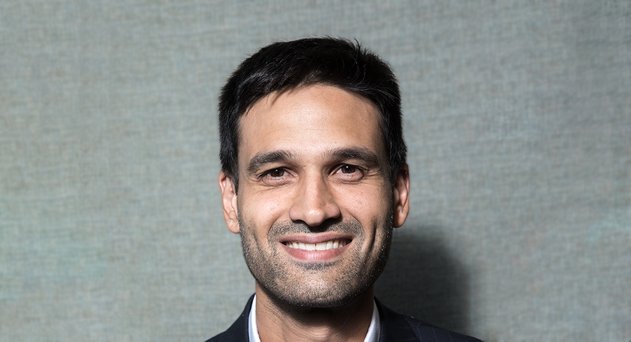
Article provided by INPLP member: Diego Fernandez (Marval, O'Farrell & Mairal, Argentina)
Discover more about the INPLP and the INPLP-Members
Dr. Tobias Höllwarth (Managing Director INPLP)
News Archiv
- Alle zeigen
- Februar 2026
- Jänner 2026
- Dezember 2025
- November 2025
- Oktober 2025
- September 2025
- August 2025
- Juli 2025
- Juni 2025
- Mai 2025
- April 2025
- März 2025
- Februar 2025
- Jänner 2025
- Dezember 2024
- November 2024
- Oktober 2024
- September 2024
- August 2024
- Juli 2024
- Juni 2024
- Mai 2024
- April 2024
- März 2024
- Februar 2024
- Jänner 2024
- Dezember 2023
- November 2023
- Oktober 2023
- September 2023
- August 2023
- Juli 2023
- Juni 2023
- Mai 2023
- April 2023
- März 2023
- Februar 2023
- Jänner 2023
- Dezember 2022
- November 2022
- Oktober 2022
- September 2022
- August 2022
- Juli 2022
- Mai 2022
- April 2022
- März 2022
- Februar 2022
- November 2021
- September 2021
- Juli 2021
- Mai 2021
- April 2021
- Dezember 2020
- November 2020
- Oktober 2020
- Juni 2020
- März 2020
- Dezember 2019
- Oktober 2019
- September 2019
- August 2019
- Juli 2019
- Juni 2019
- Mai 2019
- April 2019
- März 2019
- Februar 2019
- Jänner 2019
- Dezember 2018
- November 2018
- Oktober 2018
- September 2018
- August 2018
- Juli 2018
- Juni 2018
- Mai 2018
- April 2018
- März 2018
- Februar 2018
- Dezember 2017
- November 2017
- Oktober 2017
- September 2017
- August 2017
- Juli 2017
- Juni 2017
- Mai 2017
- April 2017
- März 2017
- Februar 2017
- November 2016
- Oktober 2016
- September 2016
- Juli 2016
- Juni 2016
- Mai 2016
- April 2016
- März 2016
- Februar 2016
- Jänner 2016
- Dezember 2015
- November 2015
- Oktober 2015
- September 2015
- August 2015
- Juli 2015
- Juni 2015
- Mai 2015
- April 2015
- März 2015
- Februar 2015
- Jänner 2015
- Dezember 2014
- November 2014
- Oktober 2014
- September 2014
- August 2014
- Juli 2014
- Juni 2014
- Mai 2014
- April 2014
- März 2014
- Februar 2014
- Jänner 2014
- Dezember 2013
- November 2013
- Oktober 2013
- September 2013
- August 2013
- Juli 2013
- Juni 2013
- Mai 2013
- April 2013
- März 2013
- Februar 2013
- Jänner 2013
- Dezember 2012
- November 2012
- Oktober 2012
- September 2012
- August 2012
- Juli 2012
- Juni 2012
- Mai 2012
- April 2012
- März 2012
- Februar 2012
- Jänner 2012
- Dezember 2011
- November 2011
- Oktober 2011
- September 2011
- Juli 2011
- Juni 2011
- Mai 2011
- April 2011
- März 2011
- Februar 2011
- Jänner 2011
- November 2010
- Oktober 2010
- September 2010
- Juli 2010